Pinterest SEO for Digital Products: Getting Found Months After You Pin

Pinterest is a search engine wearing a social costume
Instagram posts die in forty-eight hours. Pins keep being surfaced for months and sometimes years, because Pinterest is an index of saved intentions rather than a feed of recent events. That single difference should change how you approach it: you are optimising for discovery over time, not for engagement today, and the effort compounds instead of evaporating.
Keyword everything
Pinterest reads your profile name, your bio, your board titles, your board descriptions, your pin titles, your pin descriptions and the text rendered on the image itself. Choose a primary phrase per product and repeat it naturally across all of those surfaces. Use Pinterest's own search bar and the guided-search tiles it shows you for research; they reflect real behaviour on the platform.
Board structure as a sitemap
Create one board per major topic you sell into, named with the search phrase rather than a clever label. 'Budget Binder Printables' works; 'Money Stuff' does not. Ten to twenty focused boards with genuine relevance beat fifty scattered ones. Fill each with a mix of your pins and genuinely useful pins from others.
Pin design that earns the click
Vertical, two to three ratio, a bold readable headline in the top third, high contrast, one clear focal image, and your brand mark small at the bottom. Text on the pin is read by both people and Pinterest. Avoid tiny type and busy collages; the pin will be seen at phone size in a crowded grid.
Volume with variation
Create five to ten distinct pin designs per product rather than repinning one image. Different headlines attract different searches, and Pinterest favours fresh imagery. Build pin templates in your design tool so producing ten variants is a text-swapping exercise rather than ten design sessions.
- 1000x1500px vertical
- Headline in the top third
- One focal image
- 5–10 designs per product
- Keyworded title and description
Descriptions written for humans
Write two or three natural sentences describing what the product is, who it helps and what they get, including your keyword phrase once or twice. Keyword stuffing reads badly and performs worse. End with a soft call to action rather than a hard sell.
Consistency beats bursts
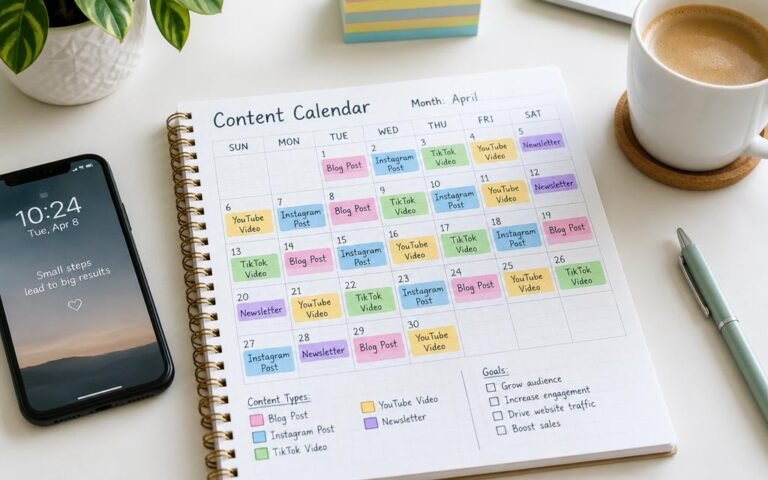
Publishing a handful of pins daily over months outperforms a hundred pins in one afternoon followed by silence. Schedule ahead so consistency does not depend on your mood, and expect the first meaningful traffic around the sixty to ninety day mark. Sellers who quit at week four never see what Pinterest does.
Measure saves and outbound clicks
Impressions are flattering and nearly meaningless. Watch saves, which signal that Pinterest should show a pin to more people, and outbound clicks, which are the only metric that becomes revenue. Double down on the pin designs that earn clicks and quietly retire the ones that only earn views.
Skip the blank page. Browse the shop for instant downloads.
Browse the shop